
Understanding Property Rights and Ownership Disputes
Comprehensive guide to resolving property ownership conflicts, title disputes, and boundary issues in Polish real estate law.
Read ArticleUnderstanding your legal protections as a tenant and the obligations landlords must fulfill is essential for maintaining a safe, fair rental relationship. This comprehensive guide explores Polish housing law, covering lease agreements, maintenance responsibilities, eviction procedures, and dispute resolution.
Understanding your fundamental rights under Polish housing law
Polish housing law, governed primarily by the Civil Code and the Tenancy Law Act, establishes a comprehensive framework protecting tenant rights while defining landlord responsibilities. Tenants in Poland enjoy substantial legal protections, including the right to habitable premises, protection from arbitrary eviction, and fair rental practices.
The foundation of tenant protection rests on the principle that landlords must provide housing that meets minimum safety and habitability standards. This includes adequate heating, plumbing, electrical systems, and structural integrity. Tenants have the explicit right to occupy the premises without interference, receive proper notice before eviction, and challenge unfair rental terms in court.
These protections exist regardless of whether the rental agreement is written or verbal. However, written agreements provide stronger legal documentation and are strongly recommended for both parties. Understanding these foundational rights empowers tenants to recognize violations and seek appropriate legal remedies.
What must be included and what obligations both parties must fulfill
A valid lease agreement forms the contractual foundation of the landlord-tenant relationship. Polish law permits both fixed-term and indefinite leases, with different termination procedures for each type. Fixed-term leases automatically terminate on the specified date unless renewed, while indefinite leases provide stronger tenant protection, requiring substantial cause for termination.
While verbal agreements are legally binding, written leases provide essential documentation. A comprehensive lease should include:

Tenants must fulfill specific financial and behavioral obligations under the lease agreement. The primary obligation is timely rent payment in the agreed amount on the specified due date. Additionally, tenants must pay their proportional share of utilities unless the lease specifies otherwise. In many cases, tenants must also pay for small maintenance items and repairs caused by normal wear and tear within their exclusive-use areas.
Security deposits, typically equivalent to one to three months’ rent, serve as financial protection for landlords against tenant-caused damage. Polish law requires landlords to return deposits within 14 days of lease termination, minus deductions for legitimate damages or unpaid rent. Disputes over deposit deductions frequently lead to legal conflicts, making documentation of the property’s condition at lease start essential.
What landlords must provide and maintain for tenant safety and comfort
Polish housing law imposes substantial responsibilities on landlords to maintain rental properties in safe, habitable conditions. These obligations exist regardless of lease terms and cannot be waived. Landlords must ensure the premises meet minimum standards for structural integrity, safety systems, heating, plumbing, and electrical functionality.
Landlords must ensure adequate heating systems capable of maintaining minimum temperatures (typically 16C in living areas, 12C in other spaces) during winter months. This includes maintaining boilers, radiators, and heating infrastructure.
Landlords must provide functioning hot and cold water systems, working toilets, showers, and sinks. They must repair leaks, maintain pipes, and ensure water pressure meets minimum standards. Water quality must comply with public health regulations.
All electrical wiring, outlets, and fixtures must be safe and functional. Landlords must maintain proper grounding, ensure adequate circuit capacity, and repair faulty wiring. Electrical systems must comply with Polish safety standards.
The building structure must be sound with no significant cracks, water infiltration, or pest infestations. Roofs must not leak, walls must not be compromised, and foundations must be stable. Common areas must be safe for passage.
Landlords must provide functioning locks and doors for tenant privacy. Doors must close securely, and locks must be maintained or replaced if broken. Landlords cannot enter without proper notice except in genuine emergencies.
Landlords must perform major repairs including roof repairs, foundation work, structural corrections, and replacement of major systems (heating, plumbing, electrical) when they fail due to age or defects.
Polish law establishes specific timelines for repair responses based on urgency. Emergency repairs affecting safety, heating, or water supply must begin within 24 hours. Urgent repairs (broken windows, malfunctioning toilets) must start within 72 hours. Non-urgent repairs have up to 30 days. Landlords cannot charge tenants for repairs of major systems unless the damage results from tenant negligence.
When repairs are necessary, tenants should document all requests in writing (email, certified letter, or photos with timestamps). If landlords fail to respond within required timelines, tenants have the legal right to hire contractors and deduct costs from rent or seek court-ordered remedies. In cases of uninhabitable conditions, tenants may withhold rent entirely until repairs are completed.
Understanding when and how landlords can legally terminate tenancy
Polish housing law provides significant protection against arbitrary eviction. Eviction procedures differ substantially depending on whether the lease is fixed-term or indefinite. For indefinite leases, landlords must provide substantial cause and follow specific legal procedures. Fixed-term leases provide less protection, though certain rules still apply.
For indefinite leases, landlords cannot simply terminate without cause. Valid grounds for eviction include: serious lease violations (persistent non-payment of rent, excessive noise, unauthorized subletting), the landlord’s personal need for the property (to live there personally or for a family member), or the property’s planned demolition or major renovation. Landlords must provide written notice with specific cause and typically must allow 3-6 months notice period depending on circumstances.
Fixed-term leases automatically terminate on the agreed end date. However, Polish law prevents automatic renewal if the tenant is in good standing. If either party wants to renew, this requires a new agreement. Landlords cannot evict during the fixed term without substantial cause (serious violations or emergency situations).
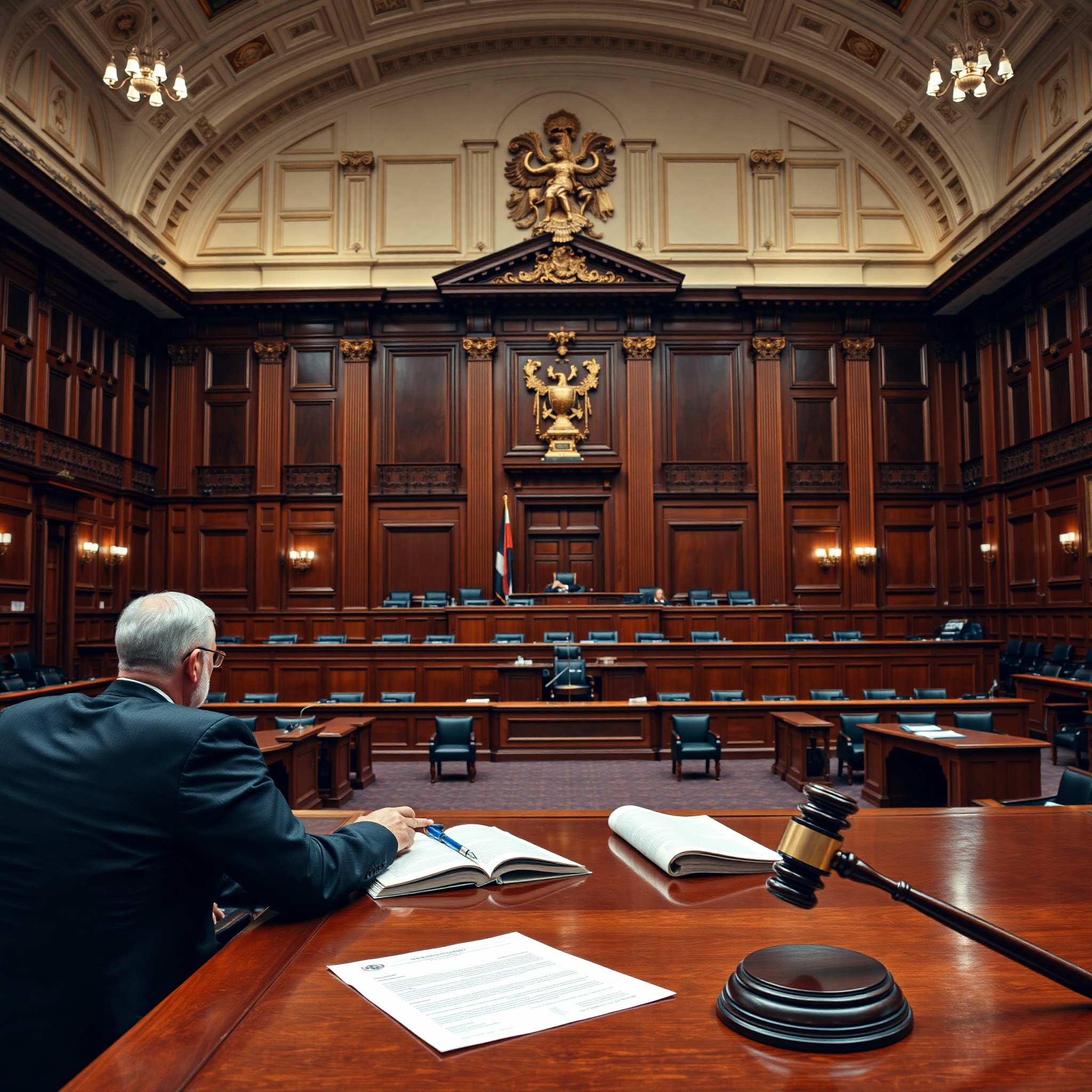
Eviction cannot occur through self-help measures. Landlords must follow formal legal procedures:
Tenants have several legal defenses. If eviction is based on non-payment, paying all owed rent before court judgment often stops the eviction. Tenants can challenge whether cause is legitimate—for example, if a landlord claims personal need but actually intends to rent the property again, the court may reject the eviction. Procedural errors by the landlord (improper notice, inadequate notice period) can invalidate the eviction. Additionally, courts may decline eviction if it would leave the tenant without adequate housing, particularly for vulnerable populations.
Options for addressing landlord-tenant conflicts and protecting your rights
When landlord-tenant disputes arise, multiple resolution pathways exist before litigation becomes necessary. Understanding these options helps tenants and landlords resolve conflicts efficiently while preserving their relationship when possible.
The most effective first step is attempting informal resolution through direct communication. Document all communications in writing—use email, certified letters, or messaging apps that create records. Take photographs of any property damage or maintenance issues with timestamps. Create written summaries of verbal discussions noting dates, times, topics, and outcomes. This documentation becomes essential if disputes escalate to legal proceedings.
If informal resolution fails, tenants can send formal written complaints citing specific lease violations or housing code violations. Many municipalities offer free or low-cost mediation services where neutral third parties help both sides negotiate solutions. Mediation is non-binding but often successful, typically costing significantly less than litigation while preserving relationships. Some housing associations and tenant advocacy groups also provide mediation services.
For housing code violations (uninhabitable conditions, safety hazards, failure to maintain), tenants can file complaints with local housing inspection authorities. These agencies can order landlords to make necessary repairs, issue fines for violations, and sometimes initiate criminal proceedings for serious violations. This administrative process is often faster and less expensive than civil litigation.
When other methods fail, tenants can sue landlords in district courts for damages, lease violations, or specific performance (requiring the landlord to make repairs). Tenants can sue for the cost of repairs not made by landlords, lost use of facilities, emotional distress in extreme cases, and sometimes punitive damages for intentional violations. Landlords can similarly sue tenants for unpaid rent, damage beyond normal wear, or lease violations.
Many organizations provide free or subsidized legal assistance to tenants. Local tenant associations offer information and sometimes representation. Legal aid clinics serve low-income tenants. Some property lawyers work on contingency for cases involving significant damages. Understanding available resources helps tenants access legal expertise regardless of financial circumstances.
Polish housing law provides comprehensive protections for tenants while establishing clear obligations for landlords. Understanding these rights and responsibilities creates the foundation for fair, legally compliant rental relationships. Tenants who know their protections can confidently advocate for safe housing conditions and challenge violations. Landlords who understand their obligations can maintain their properties professionally while minimizing legal risks.
Whether you’re a first-time renter or experienced tenant, documenting everything, communicating clearly in writing, and knowing when to seek legal assistance protect your housing security. When disputes arise, remember that multiple resolution options exist before costly litigation becomes necessary. By understanding the legal framework and your specific rights, you can navigate the rental market successfully and ensure your housing needs are met fairly and legally.
When in doubt about your rights or obligations, consulting with a qualified property lawyer ensures you receive advice specific to your situation and the current state of Polish housing law.